
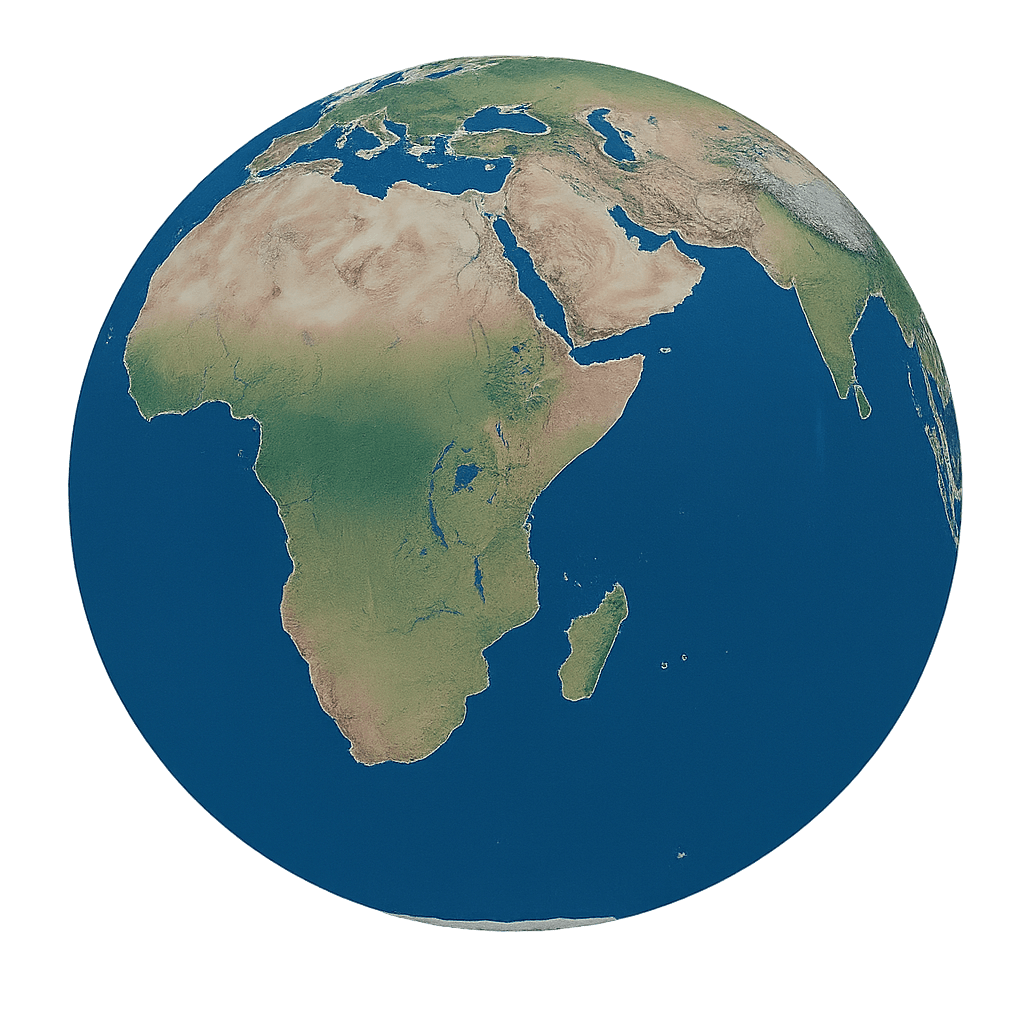
Climate & Health: The UN’s weather agency warns that sand and dust storms are increasingly driven by drought and poor land management, and they hit air quality and human health—while noting Chad’s Bodélé Depression remains the world’s top dust source. Cholera in Conflict Zones: In Nigeria’s Lake Chad region, insecurity and weak health services are hampering a cholera outbreak, with clinics reporting heavy daily caseloads and high deaths as cases spread across rural communities. Health Risks from Displacement: Sudan’s fighting is fueling another humanitarian health crisis, with UN-linked reporting of mass displacement and outbreaks concerns, including cholera mentioned in recent situation updates. Plastic & Antibiotic Resistance: New research links microplastic pollution to faster antibiotic resistance, raising the stakes for sanitation and wastewater control in low- and middle-income settings. Aid for Medical Access: Action Against Hunger’s PharmaBox—solar-powered, temperature-controlled mobile medical storage—has won a major innovation award, with deployments including Chad. El Niño Threat: UN agencies are appealing for over $200m to protect 8.8 million people in high-risk African countries from the return of El Niño, which can bring drought, flooding, and food shocks.
AGP Executive Report
Your go-to archive of top headlines, summarized for quick and easy reading.
Note: AI summary from news headlines; neutral sources weighted more to help reduce bias in the result. Feedback is welcome. Please let us know if you have any comments or suggestions about the AGP Executive Report.
Cholera in conflict zones: In Nigeria’s Lake Chad region, a cholera outbreak linked to jihadist-hit areas has killed dozens, with clinics in Monguno reporting around 50 patients daily and very high death rates as insecurity and weak health services block care. Insurgent health collapse: Separate reports say cholera also hit ISWAP hideouts in Borno’s “Timbuktu Triangle,” killing fighters and worsening sanitation and access to medicines amid ongoing military pressure. Dust and health risks: The UN warns that sand and dust storms are increasingly tied to poor land and water management, with the Bodélé Depression in Chad again among the world’s highest dust sources—raising concerns for air quality and public health. Aid logistics for medicines: Action Against Hunger says its PharmaBox—solar-powered, temperature-controlled mobile medical storage—has won a Fast Company award, with units already deployed to Chad and Sudan. Health education gap: A new global ranking highlights Chad’s very low adult literacy and schooling access, pointing to long-term health and wellbeing risks from limited education.
Cholera in the Lake Chad region: A cholera outbreak inside an ISWAP camp in Borno’s “Timbuktu Triangle” reportedly killed at least nine fighters, with poor hygiene, overcrowding, and limited clean water blamed for the spread; two infected members were reportedly executed after treatment attempts failed, highlighting how conflict disrupts basic healthcare and supplies. Sudan spillover health risks: UN-linked reports say fighting near the Chad border has razed villages and displaced thousands into Chad, while health services in camps are under strain and outbreaks are worsening, including cholera cases reported in North Kordofan. Climate and food security: FAO and WFP renewed a $200m+ appeal to protect 8.8 million people across 22 high-risk countries from El Niño impacts, including drought and flooding that can quickly trigger hunger and disease. Health supply innovation: Action Against Hunger’s PharmaBox—mobile, temperature-controlled medical storage in solar-powered containers—was named a Fast Company World Changing Ideas winner, with deployments including Chad. Local health context: A new global ranking places Chad among the lowest adult literacy rates worldwide, a reminder that education gaps can limit long-term health outcomes.
Humanitarian Health Crisis in Sudan: The UN warns another catastrophe is unfolding in El Obeid as fighting between the Sudanese army and UAE-backed RSF intensifies, with thousands displaced and reports of executions, abductions, torture and sexual violence. Cholera Risk in Conflict Zones: A cholera outbreak in North Kordofan (Al-Mazrub) has killed 14 and recorded 418 cases, with experts warning health systems may not cope without reinforcement. Darfur Violence Spills Toward Chad: RSF attacks on multiple North Darfur villages have razed homes and pushed thousands across the border into Chad, worsening food and water shortages. Antibiotic Resistance Link to Pollution: New research suggests microplastic pollution can accelerate antibiotic resistance by helping bacteria form protective communities and spread resistance genes—raising stakes for sanitation and wastewater control. Climate Shock for Food Security: UN agencies are seeking over $200m to protect 8.8 million people in 22 African countries from El Niño impacts, including drought, flooding, and rising hunger risk. Access to Medicines in Emergencies: Action Against Hunger’s PharmaBox—mobile, solar-powered temperature-controlled medical storage—has won a Fast Company award, with deployments including Chad.

Sudan Conflict & Health Emergency: The UN warns another humanitarian catastrophe is unfolding as RSF attacks near El Obeid drive mass displacement and worsen health risks, with reports of executions, torture and sexual violence. Darfur War Crimes Probe: The ICC tells the BBC it has a “breakthrough” with concrete links between RSF leaders and atrocities in Darfur, raising pressure for accountability. Chad Health & Education Reality Check: New data highlights Chad’s extremely low adult literacy and schooling access, with a stark gender gap—an issue that directly affects long-term health outcomes. Antibiotic Resistance Link to Pollution: Studies suggest microplastic pollution can accelerate antibiotic resistance by helping bacteria form protective communities, a growing threat where sanitation and wastewater treatment are weak. El Niño Food Security Push: UN agencies appeal for over $200m to protect 8.8 million people across high-risk African countries from El Niño impacts that can trigger hunger and disease. Lake Chad Region Safety: Nigeria reports injuries among soldiers in a road accident in Sokoto, underscoring ongoing strain on medical response capacity. Chad-linked Humanitarian Logistics: Action Against Hunger’s PharmaBox—mobile, temperature-controlled medical storage—has already been deployed to Chad, supporting emergency care during crises.
Microplastics & Antibiotic Resistance: New research links plastic pollution to faster drug resistance, showing microplastics can help bacteria form protective communities and spread resistance—raising stakes for infection control in low- and middle-income settings. Sudan Humanitarian Health Crisis: UN warnings highlight worsening conditions in El Obeid as fighting forces thousands to flee into Chad, with reports of executions, torture, sexual violence, and rising health risks including malnutrition and gender-based violence. Cholera in North Kordofan: A cholera outbreak in Al-Mazrub has killed 14 and recorded 418 cases, with experts warning that without stronger health infrastructure the outbreak could spread. El Niño Food & Health Threat: FAO and WFP appeal for $200m+ to protect 8.8 million people across 22 African countries from El Niño impacts that can drive hunger, disease risk, and displacement. Lake Chad Region Violence & Care Access: Reports from Nigeria and Cameroon describe attacks and injuries that push people toward overstretched local medical facilities, underscoring how insecurity directly disrupts healthcare. Roads for Access to Care (Nigeria): Nigeria flags off major road rehabilitations in Borno, framing improved transport as key to getting farmers, children, and patients to markets, schools, and healthcare faster. Health Innovation in Emergencies (Chad): Action Against Hunger’s PharmaBox—mobile, temperature-controlled medical storage—has been deployed to Chad and Sudan, aiming to keep medicines viable during extreme conditions.
Veteran Health & Housing: Madison is set to house five more unhoused veterans after receiving part of a $30m federal grant, with support linked to the William S. Middleton Memorial Veterans Hospital and mental health recovery stories from veterans who previously slept in cars. Climate & Food Security: UN agencies are appealing for over $200m to protect 8.8m people across 22 African countries from El Niño impacts, including drought, floods, and knock-on risks to nutrition and health. Health System Under Strain in Conflict: In Sudan’s North Darfur, RSF attacks have razed villages and displaced thousands into Chad, while a separate report flags a cholera outbreak in North Kordofan with deaths and hundreds of cases. Emergency Care After Violence: In Nigeria’s Sokoto, six soldiers were injured in a road accident and treated at Goronyo Hospital before transfer; in Borno, an IED explosion killed one passenger and injured nine, with victims evacuated for treatment. Security-Linked Access to Care: Nigeria’s federal government has flagged off road rehabilitation in Borno, stressing that better corridors help farmers reach markets and patients reach healthcare faster. Education & Public Health Link: A global ranking highlights Chad among the lowest adult literacy countries, with major implications for long-term health access and outcomes.
El Niño Funding Push: UN agencies (FAO and WFP) are appealing for over $200 million to protect 8.8 million people across 22 high-risk African countries, with support like cash transfers, climate-resilient seeds, livestock protection and flood-control measures as El Niño conditions are forecast to strengthen. Chad’s Education Crisis: A new global education ranking highlights Chad as having the lowest adult literacy rate worldwide, with adults averaging just 2.3 years of schooling and a sharp gender gap (female literacy far below men), underlining long-term health and wellbeing risks tied to education. Sudan–Chad Displacement and Health Strain: Reports say Sudan’s RSF attacks near the Chad border have razed villages and displaced thousands into Chad, raising fears of worsening malnutrition, trauma and disease outbreaks as health services struggle. Lake Chad Security and Injuries: In Nigeria’s Sokoto and Borno, multiple incidents—including a road accident injuring six soldiers and an IED blast killing one and injuring nine—show ongoing medical pressure on local hospitals. Humanitarian Health Innovation: Action Against Hunger’s PharmaBox, deployed in Chad and Sudan, has won Fast Company’s 2026 World Changing Ideas Award for mobile, temperature-controlled medical storage to protect supplies during crises. Rural Reality Check: New mapping shows Chad remains among the most majority-rural countries globally, a reminder that access to clinics, clean water and services is often harder outside cities.
Humanitarian Health Crisis in Sudan–Chad Border: Sudan’s RSF attacks in North Darfur have razed villages and pushed thousands across into Chad, with survivors describing burned homes, deaths in the streets, and urgent needs for food and water as aid delivery collapses. Disease Risk in Conflict Zones: An aid situation report flags worsening camp conditions in Sudan, including rising malnutrition, gender-based violence, and a cholera outbreak in North Kordofan that has already killed 14 and recorded 418 cases. El Niño Threat to Food Security: FAO and WFP are appealing for over $200 million to protect 8.8 million people across 22 high-risk countries as El Niño returns, raising the odds of extreme droughts, floods, and hunger—risks that include Sudan and several neighboring states. Roads as Health Access and Care Routes: Nigeria’s federal government has flagged off rehabilitation of Borno’s Bama-Banki and Dikwa-Gamboru-Ngala roads, saying better mobility means farmers reach markets, patients reach care, and security can respond faster. Mobile Medical Supply for Emergencies: Action Against Hunger’s PharmaBox—solar-powered, temperature-controlled medical storage in shipping containers—has won Fast Company’s 2026 World Changing Ideas Award, with deployments including Chad and Sudan.
Sudan–Chad border health emergency: Sudan’s RSF attacks in North Darfur have razed villages and displaced thousands into Chad, with survivors describing burned homes, deaths in the streets, and urgent needs for food, water, and care; Cholera risk in conflict zones: UN reports say a cholera outbreak in North Kordofan (Al-Mazrub) has killed 14 and recorded 418 cases, with warnings that fragile health systems could worsen spread; El Niño and public health: FAO/WFP are appealing for over $200m to protect 8.8 million people in 22 high-risk countries from El Niño-linked extreme weather, including drought and flooding that can drive hunger and disease; Violence disrupting care: In Borno, an IED explosion killed one passenger and injured nine, with victims evacuated to hospital; Lake Chad Basin security and health access: The US has scaled down most troops in Nigeria’s Lake Chad Basin mission, while intelligence cooperation continues—important for stability that affects clinic access; Cameroon raid injuries: Boko Haram-linked raids in Cameroon’s Far North left seven dead and others injured, with treatment moved to a military medical facility.
Security & Health Access: Suspected Boko Haram fighters killed 7 villagers in Cameroon’s Far North (Dabanga) and injured others, with victims transferred to a military medical facility—another reminder that conflict keeps communities from getting timely care. Violence in Plateau: Gunmen attacked a smoking spot in Barkin Ladi, Plateau State, killing 3 and injuring a teenage girl; bodies were taken to hospital and the injured were rushed for treatment. Borno IED Update: An IED explosion on the Komala village axis in Konduga killed 1 passenger and injured 9 others; a joint response team secured the scene and evacuated the injured to hospital. Kidnapping Aftermath: In Ekiti, 14 worshippers abducted during a church crusade regained freedom after more than two months; they were taken to hospital for medical attention and evaluation. Lake Chad Basin Security: The US withdrew most troops from a Nigeria counterterrorism mission but said intelligence sharing continues—important for keeping health and humanitarian operations safer. Public Health Context: UN-linked data ranks Chad among countries with very low life expectancy, highlighting ongoing pressure on healthcare, nutrition, and maternal/child services. Health & Climate Risk: UNICEF warns over 1 billion children face multiple climate hazards, raising risks for illness, injury, and disrupted schooling and health systems.
Public Health & Access: UN-linked data flags Chad among the world’s lowest life expectancy countries (about 55.2 years), pointing to ongoing gaps in healthcare, maternal/child services, and infectious disease control. Health Security in Conflict Zones: In Nigeria’s Lake Chad region, an IED attack in Borno killed one passenger and injured nine, with victims evacuated to hospital for treatment. Community Health After Trauma: Fourteen worshippers abducted during an Ekiti church crusade were freed after more than two months; they were taken to hospital for medical care and evaluation. Water, Health & Climate Risk: West Africa’s flooding crisis is displacing over 1.5 million people and damaging roads and farms across Nigeria, Ghana, Benin, Burkina Faso, Niger, and Chad—raising risks for disease spread and food insecurity. Health-Focused Aid Spotlight: MSF launched a free virtual reality exhibition in Spain to raise awareness of Sudan’s displacement, including a refugee camp in Chad, using immersive storytelling to highlight urgent humanitarian needs. Rural Living & Health Equity: A World Bank map shows Chad remains majority-rural (about 75% rural), a reminder that distance and limited services can worsen health outcomes.
Roads & Health Access: Nigeria’s Federal Government has started rehabilitating the Bama-Banki Road and the Dikwa-Gamboru-Ngala Road in Borno, aiming to reopen trade corridors, improve security access, and help people reach schools and healthcare faster after years of insurgency. Borno Blast Injuries: An IED explosion in Konduga (Komala village axis) killed one passenger and injured nine others as a trailer hit the device; victims were evacuated for treatment. Kidnapping Aftermath: In Ekiti State, 14 worshippers freed after more than two months in captivity following an abduction during a church crusade were taken to hospital for medical care and evaluation. Lake Chad Security & Care: A suspected ISWAP gunboat operator surrendered in Damasak and was quarantined, then given food and medical attention while in custody. Sudan Humanitarian Health Warning: UN officials warn of an imminent catastrophe in North Kordofan’s el-Obeid under siege-like conditions, with drone strikes, fuel and water shortages, and major health risks for hundreds of thousands. Chad Water & Wellness Angle: A new study highlights Lake Chad’s huge waterbird population, underscoring the basin’s ecological value even amid conflict—important for long-term environmental health and livelihoods.
Lassa Fever History: A new account revisits Lassa town’s past and challenges stigma around the virus first identified in 1969, with focus on local culture and resilience. Lake Chad Health & Water: A China-aided water supply project in southern Chad is expanding wells, water stations and latrines—aimed at safer water and better sanitation for communities. Violence and Care in the Region: In Nigeria’s Borno, an IED explosion killed one passenger and injured nine; in Cameroon’s Far North, suspected Boko Haram raided a village, killing seven and sending the injured to a military medical facility. Kidnapping Aftermath: In Ekiti State, 14 church worshippers freed after over two months in captivity were taken to hospital for medical attention and evaluation. Sudan Humanitarian Pressure: The UN warns of worsening “siege-like” conditions in North Kordofan, with cholera risks rising and aid routes like Adre border crossing extended to keep assistance moving.
Boko Haram Violence: Seven villagers were killed in a night raid in Cameroon’s Far North, with injured residents taken to a military medical facility—another grim reminder of how insecurity in the Lake Chad Basin keeps disrupting basic health access. Sudan Humanitarian Health Crisis: The UN warned of an imminent catastrophe in North Kordofan’s el-Obeid, where siege-like conditions, drone strikes, water shortages, and a rising cholera situation are pushing civilians toward mass suffering. Cholera Response & Aid Routes: Sudan extended the Adre border crossing with Chad to Sept. 30 to keep humanitarian deliveries moving, while partners scale up cholera treatment centres, rapid response teams, surveillance, and water chlorination. Health & Water in Chad: A China-aided water supply project in southern Chad’s Mandoul and Salamat is delivering hundreds of hand-pump wells, centralized water stations, and public latrines—aimed at safer drinking water and better sanitation. Air Quality & Health Risk: A global air pollution report ranked Chad among the worst for air quality (noting data limits), underscoring ongoing respiratory health risks from dirty air. Security & Care in Nigeria: Soldiers were reported killed and others injured in a Sokoto ambush, with casualties evacuated to medical facilities.
Sudan Humanitarian Health Alert: The UN welcomed Sudan’s decision to keep the Adre border crossing open until Sept. 30 to sustain aid into Darfur and Kordofan, as insecurity disrupts operations and a cholera outbreak worsens in West Kordofan, with partners scaling up treatment centres, rapid response teams, surveillance, and water chlorination. Kordofan Crisis Escalation: In North Kordofan, UN officials warned of an imminent human rights catastrophe around el-Obeid under “siege-like” conditions, with drone strikes damaging infrastructure and worsening fuel and water shortages. Local Health System Strain in Conflict: In South Kordofan’s Delling, a drone strike reportedly killed two children and injured their mother and others, while health facilities have closed and medicines are scarce. Lake Chad Region Security Impact: In Nigeria’s Sokoto, troops responding to a terrorist threat faced an ambush that killed two soldiers and injured three; bodies were taken to UDUTH for care. Chad Water & Sanitation Progress: A China-aided water supply project in southern Chad’s Mandoul and Salamat is delivering hundreds of hand-pump wells, centralized water stations, and public latrines—aimed at improving access to safer water. Health-Linked Environment & Risk: A new UNICEF report says 1.1 billion children face at least three overlapping climate hazards, raising risks to health and safety. Air Quality Watch: An IQAir ranking highlights severe air pollution globally, with Chad noted among countries that have previously featured among the worst.
Water & Health in Chad: A China-aided water supply project in southern Chad’s Mandoul and Salamat is delivering safe water faster than before, with 500+ hand-pump wells, 57 centralized water stations, and 100+ public latrines—aimed at cutting the daily burden of unsafe water collection. Public Health in the Region: The UN says Sudan’s Adre border crossing with Chad will stay open until Sept. 30 to keep humanitarian aid moving, as cholera cases rise in West Kordofan and partners scale up treatment centres, rapid response teams, surveillance, and water chlorination. Air Quality & Health Risks: IQAir’s 2026 pollution report flags worsening global air quality and notes Chad among the worst-affected countries in past years, with the report stressing that poor air can directly harm respiratory health. Security & Health Access: MSF is using a free virtual reality exhibition in Madrid to spotlight the health toll of Sudan’s displacement into Chad, showing how war-driven suffering is turning into a long-term medical emergency. Lake Chad Conservation: A new study estimates about 2.48 million waterbirds use Lake Chad, offering a hopeful baseline for conservation even as conflict limits research.
Clean Water in Chad: A China-aided water supply project in southern Chad (Mandoul and Salamat) is improving access to safer water, delivering 500+ hand-pump wells, 57 centralized water stations and 100+ public latrines—helping families who previously walked long distances for unsafe water. Public Health in the Region: The UN welcomed Sudan’s decision to keep the Adre border crossing open to Sept. 30 to sustain humanitarian aid into Chad, as insecurity disrupts operations and a cholera outbreak worsens in West Kordofan. Health & Security Link: MSF is using a free “Forced Hope” virtual reality exhibition in Chad to show the lived reality of displacement—highlighting how war drives health emergencies for people who reach refugee camps in Chad. Nutrition & Safety from the Environment: A new Lake Chad study estimates about 2.48 million waterbirds use the lake, offering a conservation baseline after years of conflict that stopped reliable surveys—important for long-term ecosystem health that communities depend on. Air Quality Watch: IQAir’s 2026 report flags Chad among countries with poor air quality in past years, with the latest ranking suggesting data gaps may mask real conditions—an issue for respiratory health.
Clean Water in Chad: A China-aided water supply project in southern Chad (Mandoul and Salamat) is delivering safer water with 500+ hand-pump wells, 57 centralized stations and 100+ public latrines—after years when families walked kilometers for unsafe water. Cholera & Border Aid in Sudan: The UN welcomed Sudan’s decision to keep the Adre border crossing with Chad open until Sept. 30, as insecurity disrupts aid and a cholera outbreak worsens in West Kordofan, with treatment centres, rapid response teams and water chlorination ramping up. Mental Health After Sexual Violence: A new report highlights conflict-related rape and sexual violence in Sudan as a major mental health emergency, with support expanding in Chad refugee camps for survivors and women-led community groups. Health Access via Infrastructure: World Bank plans for the region underscore how electricity and health services matter—its Nigeria package targets expanded electricity access and improved health and nutrition services for millions, linking basic services to jobs and wellbeing.
Clean Water in Chad: A China-aided project in southern Chad’s Mandoul and Salamat is boosting safe water access with 500+ hand-pump wells, 57 centralized stations, and 100+ public latrines—aimed at ending long, unsafe water walks. Cholera & Aid Access (Sudan–Chad): The UN welcomed Sudan’s decision to keep the Adre border crossing open to Sept. 30 to sustain humanitarian delivery, as cholera cases rise in West Kordofan and partners scale up treatment, surveillance, and water chlorination. Health Under Displacement: AFP reports Sudanese refugees in eastern Chad face hunger and urgent needs after fleeing violence, with health risks rising in camps. Digital Health Push: Malaria Consortium Nigeria and eGov Foundation are expanding digital health tools to improve registration, drug distribution tracking, and community delivery—plans include expansion to Chad and other countries. Census for Services: Chad’s Catholic bishops urge citizens to participate in the national census, saying the data will help shape health services and other public policies.
Sign up for:
Health Times Chad
The daily local news briefing you can trust. Every day. Subscribe now.
Check Your Email!
We sent a one-time activation link to: .
Confirm it's you by clicking the email link.
If the email is not in your inbox, check spam or try again.
Welcome back!
is already signed up. Check your inbox for updates.